The quality of a diamond is assessed internationally using the so-called 5 Cs. These criteria create transparency,
comparability, and certainty when selecting and evaluating diamonds.
The categories assessed are: cut, carat, color, clarity, and conflict.
Cut
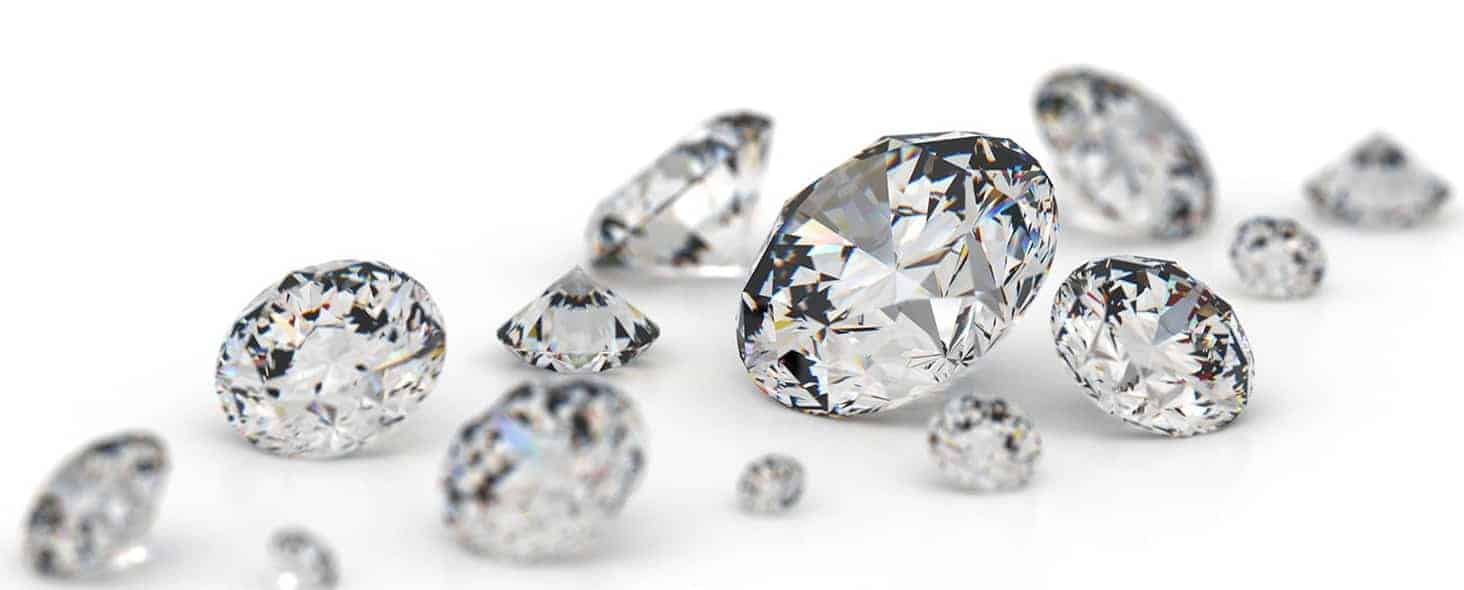
Brilliant The world-famous brilliant cut consists of at least 57 facets and is characterized by its exceptional brilliance. Hardly any other cut has such a great ability to reflect and refract light. Princess With its numerous triangular facets (44), this cut is characterized by a special fire and sparkle. Its square shape gives it a modern yet timeless look. Emerald The emerald cut has 48 facets. The parallel facets highlight the color and clarity of the diamond. Oval Oval-cut diamonds appear larger than round stones of the same weight and make the finger look longer. They combine the brilliance of the round cut with an elegant, elongated shape. Other stone sizes and cuts available on request. Graphics do not correspond to the original size of the stones..
Carat
Carat describes the weight and thus also the size of the gemstone. One carat is equal to 0.2 grams and is abbreviated as ct. The origin of this unit of measurement can be traced back to the seeds of the carob tree, which were used as a unit of measurement due to their similar weight of approx. 0.2 g and their uniform size. Final dimensions may differ from the values in the table.
Colour
In addition to size, color is also an important quality criterion for gemstones. At Merkle, you can choose between classic white or color-treated diamonds. For white stones, we offer the colors tw and w as standard. “Color-treated diamonds” are natural diamonds that change color through a mechanical simulation of the natural formation process. The change process imitates nature. Other stone colors available on request. The image may differ from the original color and appearance.
Clarity – Die Reinheit
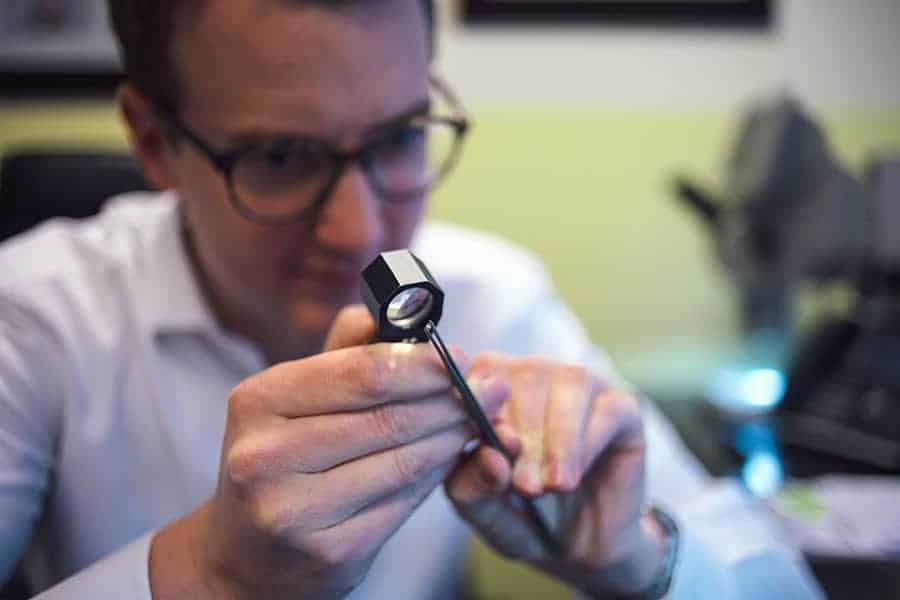
The value of a gemstone is also determined by its clarity. Gemstones can contain natural inclusions, which can be liquid, gaseous, or solid. Clarity is divided into different grades, as shown in the chart. For white stones, we offer the standard clarity grades IF or VS.
Conflict – Die Herkunft
At Merkle, we offer both natural and lab-grown diamonds. The choice is yours. Natural diamonds Natural diamonds are formed over millions of years and are truly unique—each with its own individual characteristics. Our stones come exclusively from certified and responsibly audited sources with transparent origins. Merkle supports and follows the transparency principles prescribed by the Kimberley Process certification procedure and the World Diamond Council’s system of origin verification. This procedure prohibits the purchase or sale of blood diamonds, diamonds from questionable or unknown sources, and diamonds from countries and regions that do not apply the Kimberley Process certification procedure. Stones that do not comply with this process are automatically rejected and returned to the supplier. Lab-grown diamonds Lab-grown diamonds are real diamonds that are produced under controlled laboratory conditions using HPHT or CVD technology and have the same chemical and physical properties as natural diamonds.
Lab Grwon Diamonds
Zertifikate
For both natural and synthetic diamonds, recognized institutes such as IGI or GIA confirm the quality and authenticity of the stones. The evaluation is carried out in accordance with international standards and is based on the 5 Cs described above. A certificate documents the characteristics of a diamond objectively and comprehensibly, creating transparency with regard to quality and origin. At HCF Merkle, diamonds larger than 0.30 ct always come with the corresponding certificate.
Gemstone Settings
Our experienced gemstone setters are experts in combining your rings with your gemstones to create jewelry of unmistakable elegance. Learn more about the different types of settings and our setting work.
Gemstone Settings
We process the following diamond grades:
TW/if Color: TW (Top Wesselton – feines weiß) Clarity: if – internally flawless – lupenrein) TW/vsi Color: TW (Top Wesselton – feines weiß) Clarity: vs1 /vsi – very small inclusions – sehr kleine Einschlüsse W/vsi Color: W (Wesselton – weiß) Clarity: vs1 /vsi – very small inclusions – sehr kleine Einschlüsse